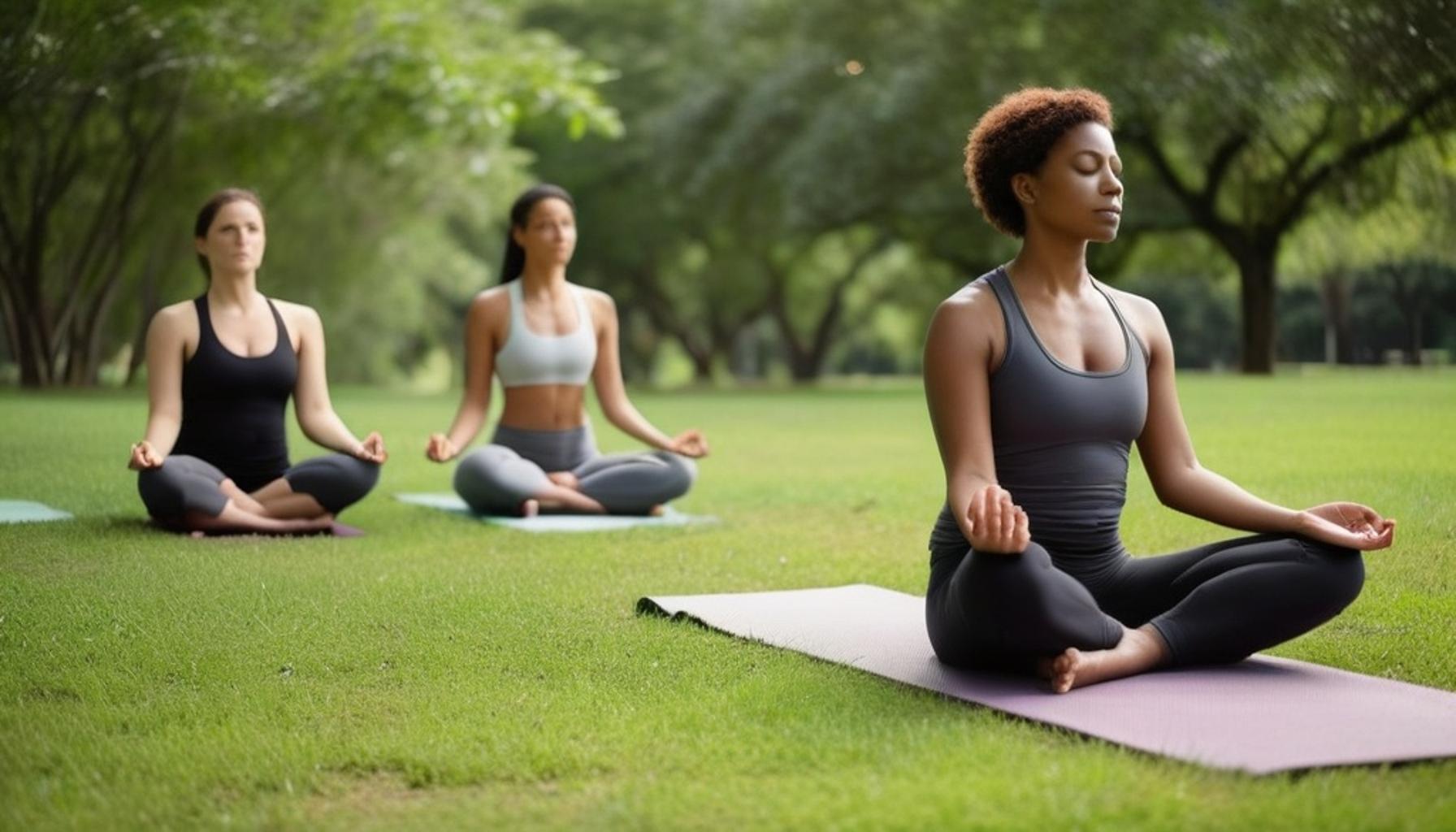
How the practice of gratitude can transform your life perspective

Why a Simple “Thank You” Could Reshape Your Entire Outlook
Americans spend an average of seven hours a week scrolling through social media, often comparing their lives to curated highlight reels filled with vacation photos, promotions, and picture-perfect family moments. This constant comparison can leave people feeling inadequate, anxious, or disconnected from their own reality. Yet a growing body of research suggests the antidote to this comparison trap might be surprisingly simple: gratitude.
The practice of gratitude isn’t just a feel-good trend embraced by wellness influencers on Instagram or TikTok. Scientists at institutions like UC Berkeley have spent decades studying how consistently acknowledging life’s positives can rewire the brain’s neural pathways, producing changes that go far beyond a temporary mood lift.
What Makes Gratitude So Powerful?
Unlike temporary mood boosts from a good cup of coffee or a favorable weather forecast, gratitude appears to create lasting shifts in how the brain processes experiences. Studies using functional MRI scans point to measurable changes in brain regions associated with reward processing and emotional regulation, particularly the medial prefrontal cortex. Researchers have found that people who practice gratitude regularly show increased activity in these areas even months after starting a simple journaling habit.
The benefits of gratitude extend far beyond simple happiness. Research links regular gratitude practices to:
- Improved sleep quality and duration, with some studies showing participants falling asleep faster and waking up feeling more rested
- Lower levels of cortisol, the primary stress hormone, which can reduce overall inflammation in the body
- Stronger immune system function, potentially leading to fewer sick days
- Enhanced relationship satisfaction, as expressing thanks to partners and friends builds trust and connection
- Reduced symptoms of depression and anxiety, according to clinical trials published in peer-reviewed psychology journals
Understanding how gratitude changes perspective requires looking beyond anecdotal claims and social media testimonials. This article examines the science, explores practical gratitude journal ideas such as writing three specific things you appreciated about your day or sending a quick thank-you text to someone who impacted you, and reveals why the importance of practicing gratitude has captured attention from Harvard researchers to Fortune 500 wellness programs. Companies like Google and Salesforce have even incorporated gratitude exercises into their employee wellness initiatives, citing improved morale and productivity.
Ready to discover how you can transform your life with gratitude? The evidence might change how you view your morning coffee, your commute, and even your most challenging days, turning ordinary moments into opportunities for genuine appreciation and connection.
RECOMMENDED: The importance of daily meditation for mental health
Rewiring the Brain: What Happens When You Count Your Blessings
Dr. Robert Emmons, a psychology professor at UC Davis and one of the leading researchers on gratitude, has spent over 25 years studying what he calls the “gratitude effect.” His landmark studies, some involving thousands of participants across different age groups, consistently show that people who keep a weekly gratitude journal report 25% higher levels of life satisfaction compared to those who don’t. These findings have been replicated in workplaces, schools, and even hospital settings across the country, suggesting the effect isn’t limited to a specific demographic or lifestyle.
What’s particularly fascinating is how quickly these changes take hold. Emmons’ research indicates that participants notice shifts in their outlook within just two to three weeks of consistent practice. This isn’t about ignoring problems or forcing false positivity. Instead, the practice of gratitude appears to retrain attention itself, helping the brain notice and prioritize positive experiences that might otherwise slip by unnoticed. Some researchers compare this process to strength training for the mind, where repeated mental “reps” gradually build a more resilient, optimistic outlook over time.
From Scarcity Thinking to Abundance Mindset
Many Americans operate from what psychologists call a “scarcity mindset,” a mental framework shaped by economic anxiety, career pressure, and the relentless pace of modern life. This mindset trains the brain to focus on what’s missing rather than what’s present, whether that’s a bigger paycheck, a nicer house, or more free time. Over time, this constant comparison can leave people feeling perpetually behind, even when their circumstances are objectively stable.
Gratitude practices work as a direct counterbalance. When someone consistently identifies specific things they appreciate, whether it’s a reliable car that gets them to work or a neighbor who shoveled their driveway during a snowstorm, the brain gradually shifts toward noticing abundance instead of lack. This shift doesn’t erase real struggles, but it does create mental space to recognize the resources and support already present in daily life.
Researchers at Indiana University conducted brain imaging studies showing that participants who wrote gratitude letters displayed increased neural sensitivity to gratitude itself weeks later, even during unrelated tasks. This suggests the practice creates a kind of feedback loop, making it easier to feel and express thanks over time. Interestingly, the effect appeared strongest among participants who described their entries in vivid, specific detail rather than general terms, reinforcing the idea that precision matters as much as frequency.
For those wondering where to start, here are some accessible gratitude journal ideas backed by research:
- List three specific moments from your day, avoiding vague statements like “I’m grateful for my family” in favor of concrete details
- Write about a person who influenced your life positively, describing exactly what they did and how it affected you
- Note a challenge you faced and identify one unexpected benefit that emerged from it
- Record a sensory experience you appreciated, such as the smell of morning coffee or the warmth of sunlight through a window
- Reflect on a comfort many take for granted, like clean water, stable electricity, or a safe place to sleep
These exercises may seem small, but their cumulative effect on how gratitude changes perspective can be significant. Consistency matters more than complexity here.
Beyond the Notebook: Gratitude in Everyday Life
Not everyone finds journaling appealing, and researchers acknowledge that gratitude doesn’t have to be confined to pen and paper. Some studies suggest verbal expressions, like thanking a coworker specifically for their help on a project, or sending a quick text to a friend, can produce similar psychological benefits. Others point to mindfulness-based gratitude, where individuals pause during ordinary moments, such as a walk through a local park, to consciously register appreciation.
What remains consistent across these variations is the emphasis on specificity and regularity. Whether through writing, speaking, or quiet reflection, the brain seems to respond most strongly when gratitude is practiced deliberately rather than left to chance. As more workplaces and schools experiment with structured gratitude programs, researchers continue to track how far this simple habit can reshape not just individual mindsets, but entire communities.

Key Aspects of the Practice of Gratitude and Their Impact
The practice of gratitude touches multiple dimensions of daily life, from mental health to relationships and even physical well-being. Research from institutions like the University of California, Davis, shows that people who consistently acknowledge what they’re thankful for report 25% higher levels of happiness compared to those who don’t. Understanding how gratitude changes perspective requires looking at its various applications.
The table below breaks down the core areas where gratitude creates measurable transformation, offering a quick reference before diving deeper into each aspect.
| Category | Impact & Benefits |
|---|---|
| Mental Clarity | Reduces anxiety, sharpens focus, and shifts attention toward positive outcomes |
| Emotional Resilience | Builds capacity to handle setbacks and reframe challenges constructively |
| Relationships | Strengthens trust and deepens connection through expressed appreciation |
| Physical Health | Improves sleep quality and lowers stress-related symptoms |
| Daily Habits | Gratitude journal ideas encourage consistency and long-term mindset shifts |
Why the Importance of Practicing Gratitude Extends Beyond Mood
These categories reveal a pattern: gratitude isn’t a single-use tool but a compounding habit. Each area reinforces the others, creating a cycle that supports the broader goal to transform your life with gratitude.
LEARN MORE: The importance of daily meditation for mental health and emotional balance
The Ripple Effect: How Gratitude Reshapes Relationships and Physical Health
While much attention focuses on gratitude’s mental benefits, researchers have uncovered equally striking effects on physical health and social connection. A study published in the journal Personality and Individual Differences found that people who scored higher on gratitude assessments reported fewer aches and pains, better sleep quality, and lower blood pressure readings compared to less grateful counterparts. This physical dimension often gets overlooked, yet it may explain why the benefits of gratitude extend so far beyond mood alone.
Sleep researchers at the University of Manchester discovered that participants who spent just fifteen minutes writing grateful thoughts before bed fell asleep faster and experienced fewer nighttime disruptions. The theory suggests that gratitude reduces the mental chatter and worry that typically keep people awake, replacing anxious rumination with calmer, more settled thoughts. Cardiologists have also taken notice, with some clinics in California and New York now recommending gratitude journaling as a complementary practice alongside standard heart-health protocols, citing preliminary evidence that lower stress hormones may contribute to improved cardiovascular markers over time.
Strengthening Bonds Through Appreciation
Relationships may benefit most dramatically from consistent gratitude practice. Dr. Sara Algoe, a social psychologist at the University of North Carolina, coined the term “find, remind, and bind” to describe how expressing thanks strengthens social bonds. Her research shows that partners who regularly voice appreciation for each other report significantly higher relationship satisfaction, even during periods of conflict or stress. Couples therapists across the country have started incorporating these findings into their sessions, encouraging clients to establish nightly rituals where they name one thing they appreciated about their partner that day.
This holds true in workplace settings too. A Gallup survey involving over 7,000 employees found that workers who received regular recognition were more engaged, less likely to quit, and reported stronger connections with colleagues. Companies like Southwest Airlines have built recognition programs directly around these findings, encouraging employees to acknowledge one another’s contributions publicly rather than relying solely on top-down praise. Similar programs have popped up at tech firms in Seattle and manufacturing plants in the Midwest, suggesting the approach translates well across industries and regional cultures alike.
The importance of practicing gratitude in professional settings extends to leadership as well. Managers who express genuine thanks to their teams often see improved morale and reduced turnover, according to workplace psychology studies conducted across multiple industries in the past decade. Some human resources departments now train supervisors specifically on delivering meaningful, specific recognition rather than generic praise, noting that vague compliments tend to have far less impact than acknowledgment tied to concrete actions.
Community-Level Transformations
Some communities have taken gratitude practice beyond individual habit and turned it into collective ritual. Certain schools across Ohio and Texas have implemented daily “gratitude circles,” where students share one positive moment before starting classwork. Early reports from participating teachers describe noticeably calmer classrooms and fewer behavioral incidents throughout the school year. Administrators in these districts have started tracking attendance and disciplinary records to determine whether the practice produces measurable long-term outcomes beyond anecdotal impressions.
Hospitals have followed suit. Cleveland Clinic introduced a gratitude initiative encouraging patients and staff to write brief notes of appreciation, which are then displayed throughout common areas. Staff members involved in the program reported feeling less burned out, an important finding given how prevalent healthcare worker exhaustion has become nationwide. Other medical centers in Boston and Chicago have since launched pilot versions of similar programs, curious whether the results can be replicated at scale.
These examples illustrate a broader truth: those who want to transform their life with gratitude don’t need to rely on individual willpower alone. Structured environments, whether at home, work, or school, can reinforce the habit and multiply its effects across entire groups of people, not just single individuals practicing in isolation. As more institutions experiment with formalized gratitude practices, researchers continue gathering data that may soon reveal just how far this ripple effect can travel.
Putting It All Together: Why Gratitude Deserves a Place in Daily Life
From neural pathways to boardrooms, the evidence keeps pointing to the same conclusion: the practice of gratitude genuinely reshapes how people experience their lives. It lowers blood pressure, improves sleep, strengthens marriages, and even reduces burnout among hospital staff. Few habits offer such a wide return on such a small investment of time.
What makes this research particularly compelling is its consistency across contexts. Whether examining Ohio classrooms, Seattle tech offices, or Cleveland Clinic hallways, the pattern repeats itself. People who intentionally notice and acknowledge the good around them tend to build stronger relationships and steadier mental health than those who don’t.
Understanding how gratitude changes perspective matters because perspective, more than circumstance, often determines wellbeing. Two people can face identical stressors, yet the one anchored in appreciation typically navigates the challenge with greater resilience and clarity.
For readers ready to start, simple gratitude journal ideas can make the habit stick:
- Write three specific things you appreciated that day, avoiding vague statements
- Note one person who positively influenced your day and why
- Reflect on a challenge that, in hindsight, taught something valuable
The importance of practicing gratitude lies not in grand gestures but in small, repeated acts of noticing. As scientists continue studying its long-term effects on the brain, body, and community, one thing already seems clear: those willing to transform their life with gratitude are tapping into one of the most accessible, well-documented tools for lasting wellbeing available today. The only real question left is whether more people will start paying attention to what the research has been saying all along.
Frequently Asked Questions
How long does it take for the practice of gratitude to actually change your mindset?
Most people notice subtle shifts in mood within two to three weeks of daily gratitude journaling, but deeper changes in perspective typically take 8 to 10 weeks of consistent practice. Research on neuroplasticity suggests that repeated positive reflection gradually rewires default thought patterns, making optimism feel more natural over time. Consistency matters more than duration, so even five minutes a day can outperform sporadic longer sessions.
What is the difference between feeling grateful and practicing gratitude intentionally?
Feeling grateful is a passing emotion that arises spontaneously, while practicing gratitude is a deliberate habit like journaling, verbal acknowledgment, or mental reflection done on a regular schedule. The intentional practice trains your brain to notice positive details you’d otherwise overlook, creating lasting perspective shifts rather than temporary mood boosts. Over time, this repetition builds a default lens of appreciation instead of relying on random moments of thankfulness.
Can the practice of gratitude help with anxiety or negative thinking patterns?
Yes, studies show that regular gratitude practice can reduce rumination and lower cortisol levels by redirecting attention away from threat-focused thoughts. It doesn’t eliminate anxiety entirely, but it interrupts negative thought loops by forcing the brain to actively search for evidence of good in daily life. Many therapists now incorporate gratitude exercises alongside cognitive behavioral techniques for this reason.
What’s a simple way to start a gratitude practice if I’ve never done one before?
Start by writing down three specific things you’re grateful for each night, focusing on details rather than generic statements like ‘my family.’ For example, instead of ‘I’m grateful for my friend,’ write ‘I’m grateful my friend called just to check on me today.’ Keeping the list short and specific makes the habit sustainable and easier to stick with beyond the first week.

Linda Carter
Linda Carter is a writer specializing in healthy habits and balanced living. With extensive experience helping readers build sustainable routines, she shares practical guidance on nutrition, physical activity, quality sleep, stress management, and emotional well-being. Her goal is to offer simple, accessible strategies that inspire people to care for their health and enjoy a more balanced life.