
The importance of daily meditation for mental health and emotional balance
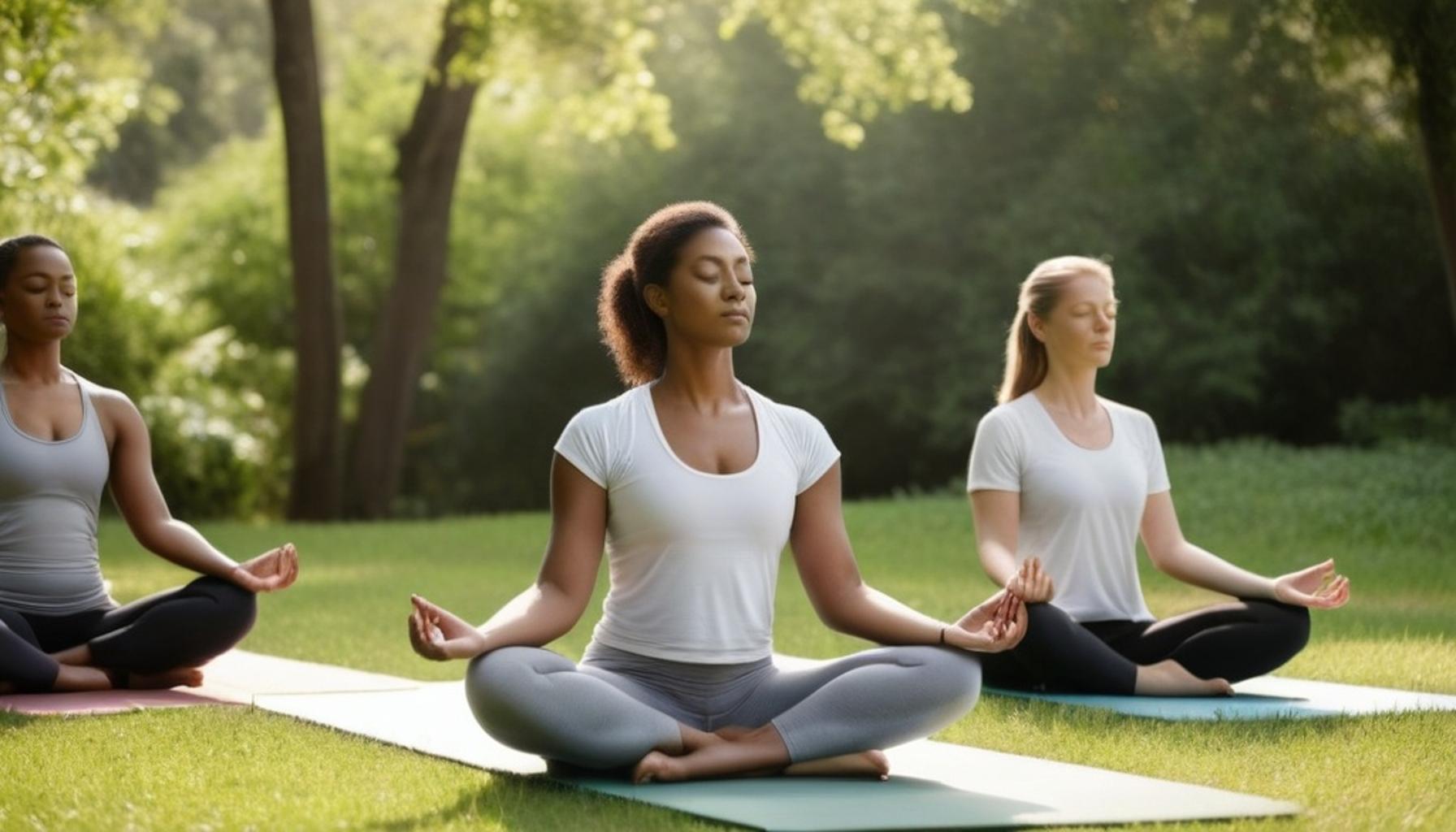
Why Millions of Americans Are Turning to Stillness
Across the United States, from busy New York City subways to quiet suburban homes, a quiet revolution is taking place. People are pausing, closing their eyes, and breathing with intention. In coffee shops in Seattle, office break rooms in Chicago, and even parking lots outside big-box stores in Texas, Americans are carving out small pockets of silence in an otherwise noisy day.
This growing practice is daily meditation for mental health, and it’s reshaping how Americans cope with modern stress. What once seemed like a niche activity reserved for yoga studios or spiritual retreats has now entered mainstream culture, showing up in corporate wellness programs, school curriculums, and even professional sports training routines.
A Nation Seeking Calm
According to the CDC, over 1 in 5 adults in the U.S. report symptoms of anxiety or depression. That statistic alone explains why interest in mindfulness has skyrocketed. Add to this the pressures of inflation, political division, and a lingering post-pandemic sense of uncertainty, and it becomes clear why so many people are searching for tools to regain a sense of control.
Consider what daily practice can offer:
- Stress relief through meditation in just 10 minutes a day
- Improved focus and emotional resilience, particularly useful for students juggling coursework and part-time jobs
- Better sleep quality and reduced cortisol levels, a benefit increasingly cited by night-shift workers and new parents alike
- A stronger sense of meditation and emotional balance during chaotic days, whether commuting through traffic or managing a household budget
More Than a Trend
Apps like Headspace and Calm have made how to meditate daily more accessible than ever. Millions download these tools searching for structure and guidance, often turning to guided sessions during lunch breaks or before bedtime routines. Employers in industries ranging from tech to healthcare have even begun offering subscriptions as part of employee benefits packages.
But is this simply a wellness fad, or is there real science behind it? The answer might surprise you. Neuroscientific studies have shown measurable changes in brain activity linked to regular practice, suggesting the benefits extend far beyond temporary relaxation.
Below, we explore the research-backed reasons why mental health improvement meditation is becoming a cornerstone of emotional wellness in America—and how you can start today.
The Science Behind the Stillness
Skeptics often ask a fair question: does sitting quietly for a few minutes really change anything? Researchers at institutions like Harvard Medical School have spent years answering that question, and the findings are difficult to dismiss.
Brain imaging studies reveal that consistent practice can physically alter regions associated with stress response, memory, and self-awareness. This isn’t about temporary calm—it’s about structural change over time, which is why daily meditation for mental health has moved from wellness circles into serious clinical conversations. What once sounded like new-age speculation is now backed by MRI scans, longitudinal studies, and peer-reviewed data that hospitals and universities across the country are taking seriously.
What Happens Inside the Brain
One widely cited study from Massachusetts General Hospital found that participants who meditated for eight weeks showed reduced gray matter density in the amygdala, the brain’s fear and stress center. At the same time, areas linked to compassion and self-awareness became more active. Researchers tracked these changes using structural MRI scans taken before and after the eight-week program, comparing them against a control group that made no lifestyle changes at all.
This shift helps explain many of the benefits of meditation people report anecdotally:
- Lower reactivity to everyday frustrations, like a delayed flight out of Atlanta or a stalled commute on the 405 in Los Angeles
- Sharper decision-making during high-pressure workdays
- A noticeable dip in generalized anxiety, even among people who never considered themselves “spiritual”
- Greater capacity for meditation and emotional balance when facing family conflict or financial stress
Interestingly, some participants in similar studies reported these effects within just a few weeks, long before any brain scan could confirm what they were already feeling. That gap between subjective experience and measurable biology is exactly what keeps researchers curious enough to dig deeper.
Not Just Relaxation—Real Physiological Change
Cortisol, the body’s primary stress hormone, tends to spike during periods of chronic pressure. Left unchecked, elevated cortisol has been linked to weight gain, insomnia, and weakened immune function, creating a cycle that’s difficult to break without intervention.
Multiple clinical trials suggest that consistent practice lowers cortisol levels significantly, offering a natural form of stress relief through meditation without relying solely on medication. This is particularly relevant for Americans working demanding jobs in fields like healthcare, logistics, and emergency services, where burnout rates remain stubbornly high and turnover continues to strain entire industries nationwide.
For many, learning how to meditate daily isn’t about achieving a perfectly clear mind. It’s about creating a small, repeatable habit that trains the nervous system to recover faster from stress. Even five minutes each morning, practiced consistently, can begin to shift how the body responds to daily pressure, whether that pressure comes from a demanding boss, a crying toddler, or bumper-to-bumper traffic on I-95.
As more data emerges, one conclusion becomes increasingly clear: mental health improvement meditation isn’t a passing trend—it’s a measurable, biological tool available to anyone willing to sit down and breathe, and the research suggests we’re only beginning to understand its full potential.
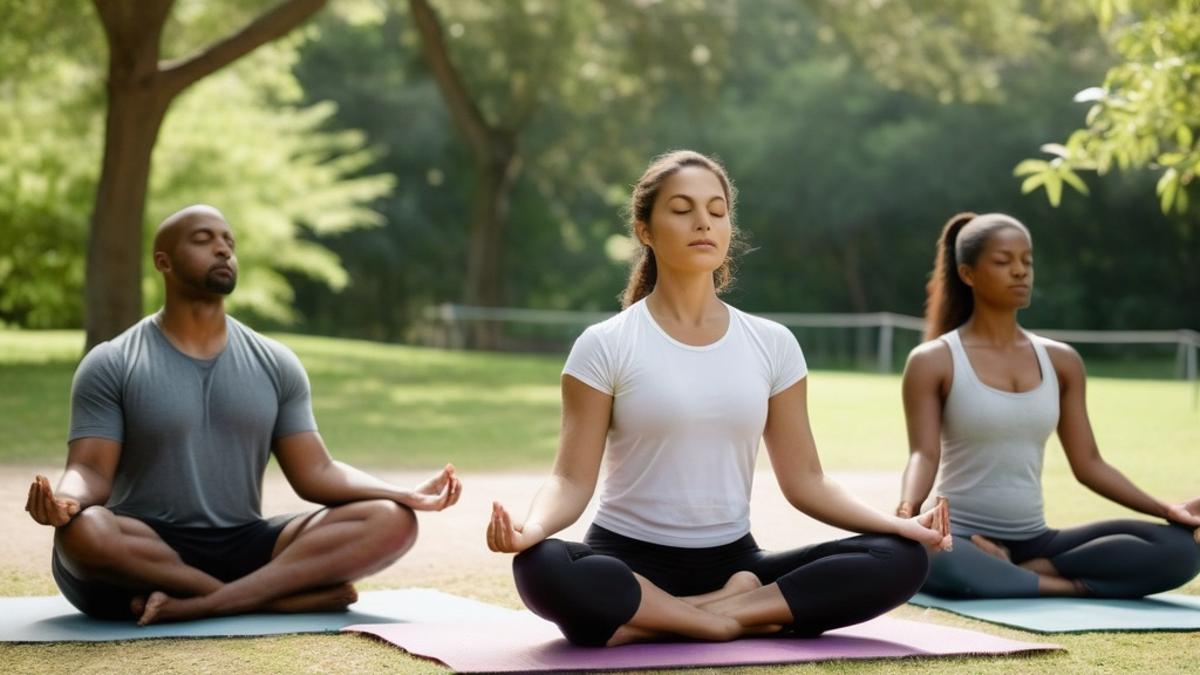
Key Aspects of Daily Meditation for Mental Health
Scientific research increasingly confirms that daily meditation for mental health produces measurable improvements in emotional regulation, stress resilience, and cognitive clarity. The table below highlights the core benefits of meditation and how each aspect contributes to long-term psychological well-being.
| Category | Impact on Well-Being |
|---|---|
| Stress Relief through Meditation | Lowers cortisol levels significantly, promoting calmer physiological responses to daily pressure. |
| Meditation and Emotional Balance | Strengthens the prefrontal cortex, improving emotional control and reducing imp
From Silicon Valley Boardrooms to Suburban KitchensThe reach of contemplative practice has expanded well beyond monasteries and yoga studios. Fortune 500 companies, public school districts in Ohio, and even branches of the U.S. military have quietly built mindfulness programs into their daily routines. That shift alone signals something worth paying attention to. Google’s internal “Search Inside Yourself” program, launched over a decade ago, became one of the most requested employee courses in company history. Executives at companies like Apple and Aetna have publicly credited structured breathing and awareness exercises with improving focus and reducing office-related tension. Aetna even measured the return: employees who participated in its mindfulness initiative reported an average of 62 minutes per week in productivity gains, according to internal data the company later shared publicly. A Habit That Fits Almost Any ScheduleOne reason daily meditation for mental health has gained such traction is its flexibility. Unlike a gym membership or a therapy appointment, it requires no equipment, no commute, and no specific time slot. People have found ways to fold it into routines that already exist:
This adaptability matters. Surveys from the National Center for Complementary and Integrative Health show that lack of time remains the top reason Americans abandon wellness habits. Meditation sidesteps that barrier almost entirely, since even brief, consistent sessions produce measurable results. Different Approaches, Similar OutcomesNot every method looks the same, and that variety is part of the appeal. Some people gravitate toward transcendental meditation, using a repeated mantra to quiet mental noise. Others prefer mindfulness-based approaches rooted in observing thoughts without judgment, a technique popularized by programs like Mindfulness-Based Stress Reduction, originally developed at the University of Massachusetts Medical School. Regardless of style, the core mechanism behind meditation and emotional balance appears consistent: slowing down reactive thinking long enough to respond rather than react. This is particularly relevant for parents managing sibling arguments, nurses working double shifts, or college students facing exam-season pressure in cities from Boston to Austin. App-based platforms have also reshaped access. Headspace and Calm alone report tens of millions of downloads across the United States, with usage spikes consistently appearing during tax season, back-to-school weeks, and the post-holiday period in January. That pattern suggests something telling: people reach for stress relief through meditation precisely when life pressure peaks, not just when things are calm. Understanding how to meditate daily doesn’t require perfection or years of practice. It simply requires showing up, even imperfectly, often enough for the nervous system to notice the pattern. DISCOVER: Click here to learn about how exercise boosts mental health The Bottom Line on a Simple Daily PracticeAcross boardrooms, classrooms, and kitchen tables, the evidence keeps pointing to the same conclusion: daily meditation for mental health is not a passing wellness trend but a practical tool with measurable results. From Aetna’s productivity data to the millions of Americans opening meditation apps during tax season, the pattern is consistent. People turn to stillness precisely when life gets loud, and they stay with it because it works. The benefits of meditation extend beyond a single moment of calm. Regular practice appears to reshape how the nervous system handles pressure over time, making reactive moments less frequent and less intense. That shift is the essence of meditation and emotional balance: not the absence of stress, but a steadier way of meeting it. What makes this particularly encouraging is accessibility. There is no single correct method, no required equipment, and no need for a quiet mountain retreat. A parked car, a grocery line, or five minutes before sunrise are enough starting points for anyone wondering how to meditate daily without overhauling their schedule. Still, meditation is not a cure-all. Researchers continue to study its limits alongside its potential, and mental health professionals generally recommend it as a complement to, not a replacement for, clinical care when needed. That nuance matters for anyone exploring mental health improvement meditation as part of a larger routine. What seems clear is this: consistency outperforms intensity. A few honest minutes each day, repeated often enough, appear to matter more than occasional long sessions. For readers curious about stress relief through meditation, the most useful next step may simply be starting small, tracking how the mind responds, and letting the data build from there, one ordinary day at a time. Frequently Asked QuestionsHow long should I meditate each day to see mental health benefits?Research suggests that just 10 to 15 minutes of daily meditation can start improving mood and reducing anxiety within a few weeks. Consistency matters more than duration, so a shorter daily practice is more effective than occasional long sessions. As you build the habit, you can gradually increase to 20-30 minutes for deeper emotional balance. Can daily meditation really help with anxiety and depression symptoms?Yes, numerous studies show that daily meditation for mental health can lower cortisol levels and reduce symptoms of anxiety and depression by calming the nervous system. Mindfulness-based practices help interrupt negative thought loops and increase emotional regulation over time. However, meditation should complement, not replace, professional treatment for severe conditions. What is the best time of day to meditate for emotional balance?Many people find morning meditation most effective because it sets a calm, focused tone before the day’s stressors begin. That said, evening meditation can help process the day’s emotions and improve sleep quality. The best time is ultimately whenever you can commit to it consistently, since regularity is key to lasting mental health benefits. Do I need special training or apps to start a daily meditation practice?No formal training is required; simple techniques like focused breathing or body scans can be learned in minutes. Apps such as Headspace or Calm can guide beginners, but free resources like YouTube videos or basic mindfulness exercises work just as well. What matters most for mental health benefits is daily practice, not the tool you use. How quickly will I notice improvements in mental health from meditating daily?Some people report feeling calmer after just a single session, but measurable improvements in mental health typically emerge after 4 to 8 weeks of consistent daily meditation. Benefits like better emotional regulation, reduced stress reactivity, and improved focus tend to build gradually. Tracking your mood in a journal can help you notice subtle changes over time. 
Linda CarterLinda Carter is a writer specializing in healthy habits and balanced living. With extensive experience helping readers build sustainable routines, she shares practical guidance on nutrition, physical activity, quality sleep, stress management, and emotional well-being. Her goal is to offer simple, accessible strategies that inspire people to care for their health and enjoy a more balanced life. |