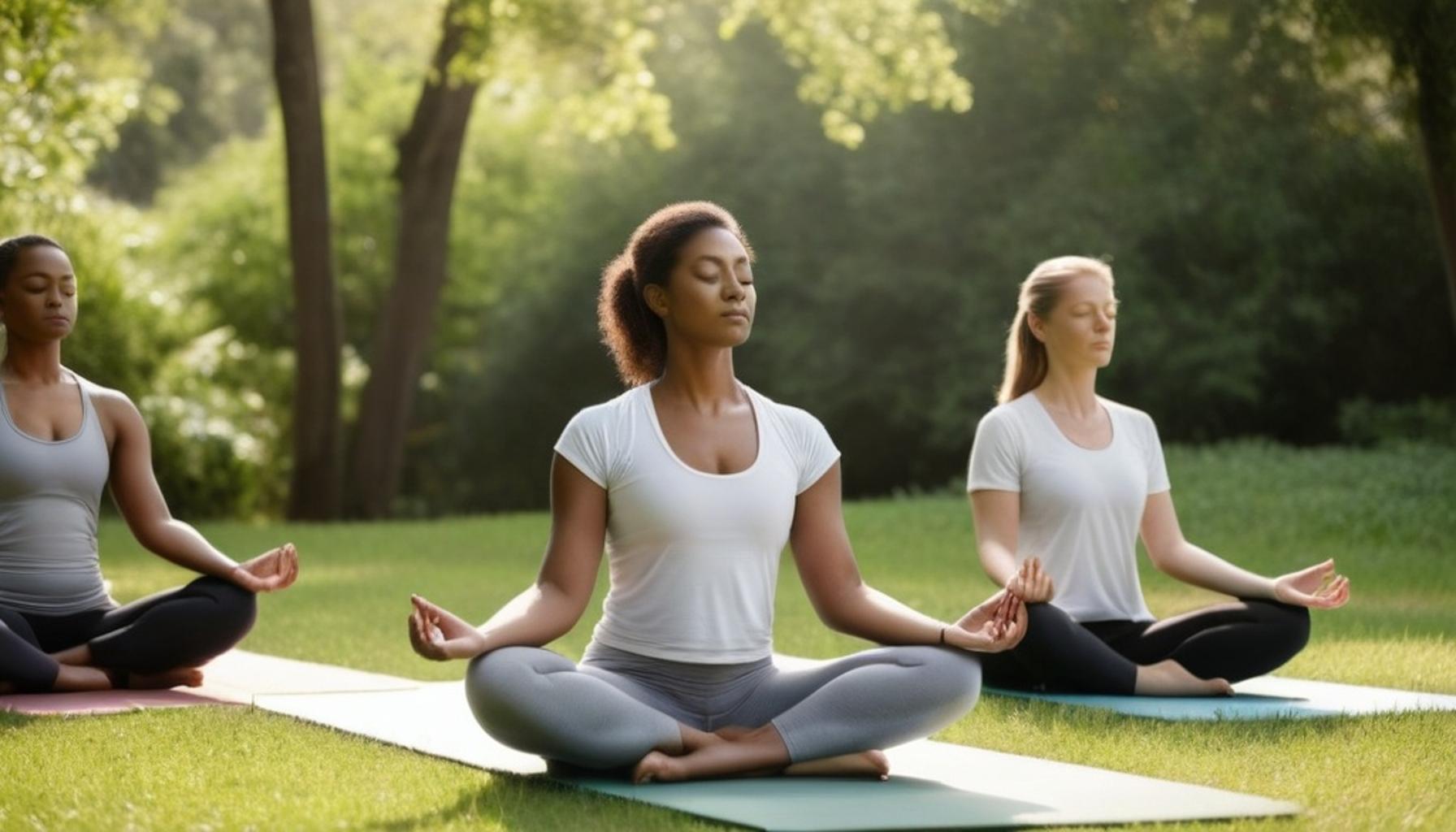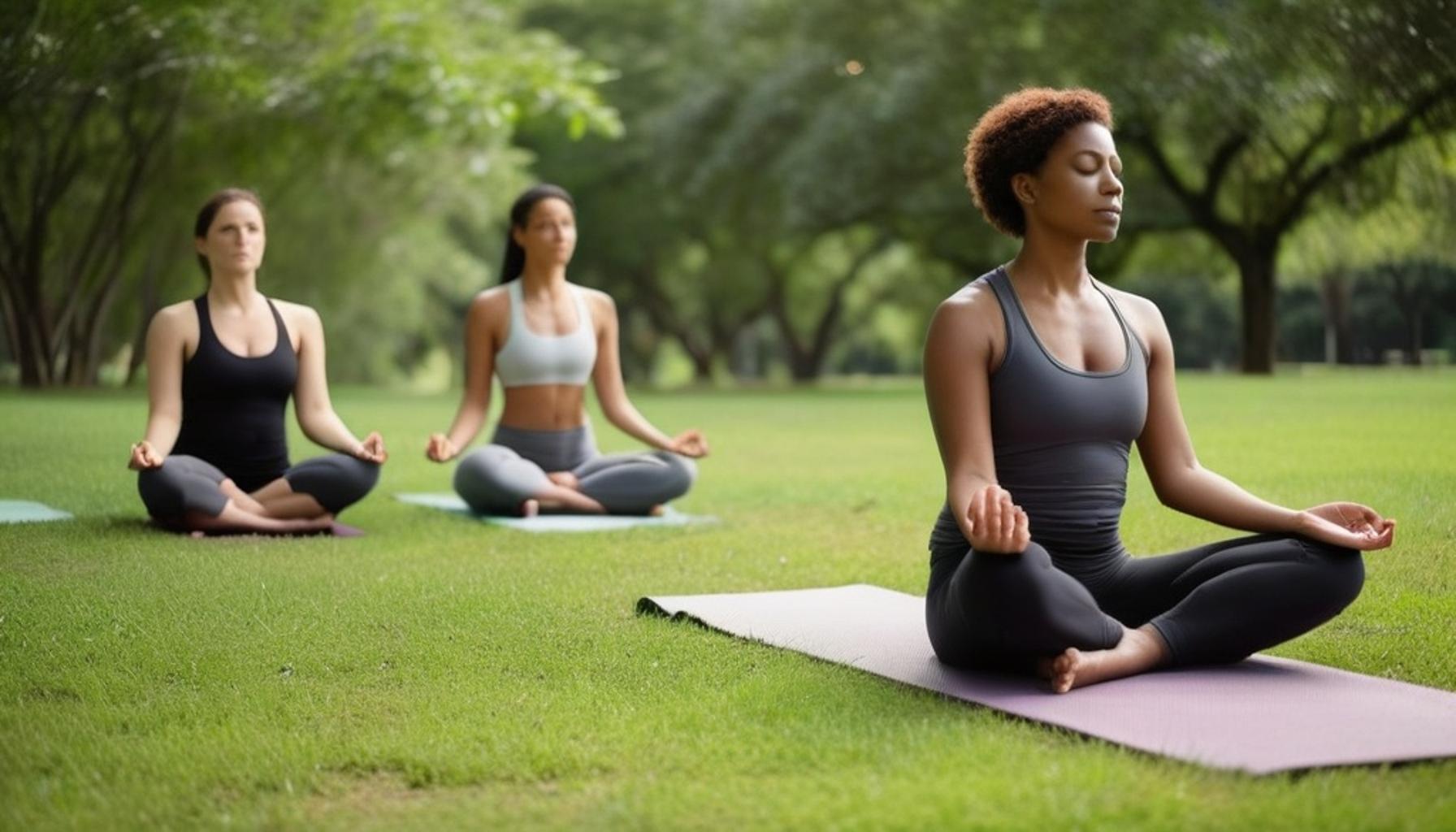
Mindfulness Techniques to Reduce Daily Stress
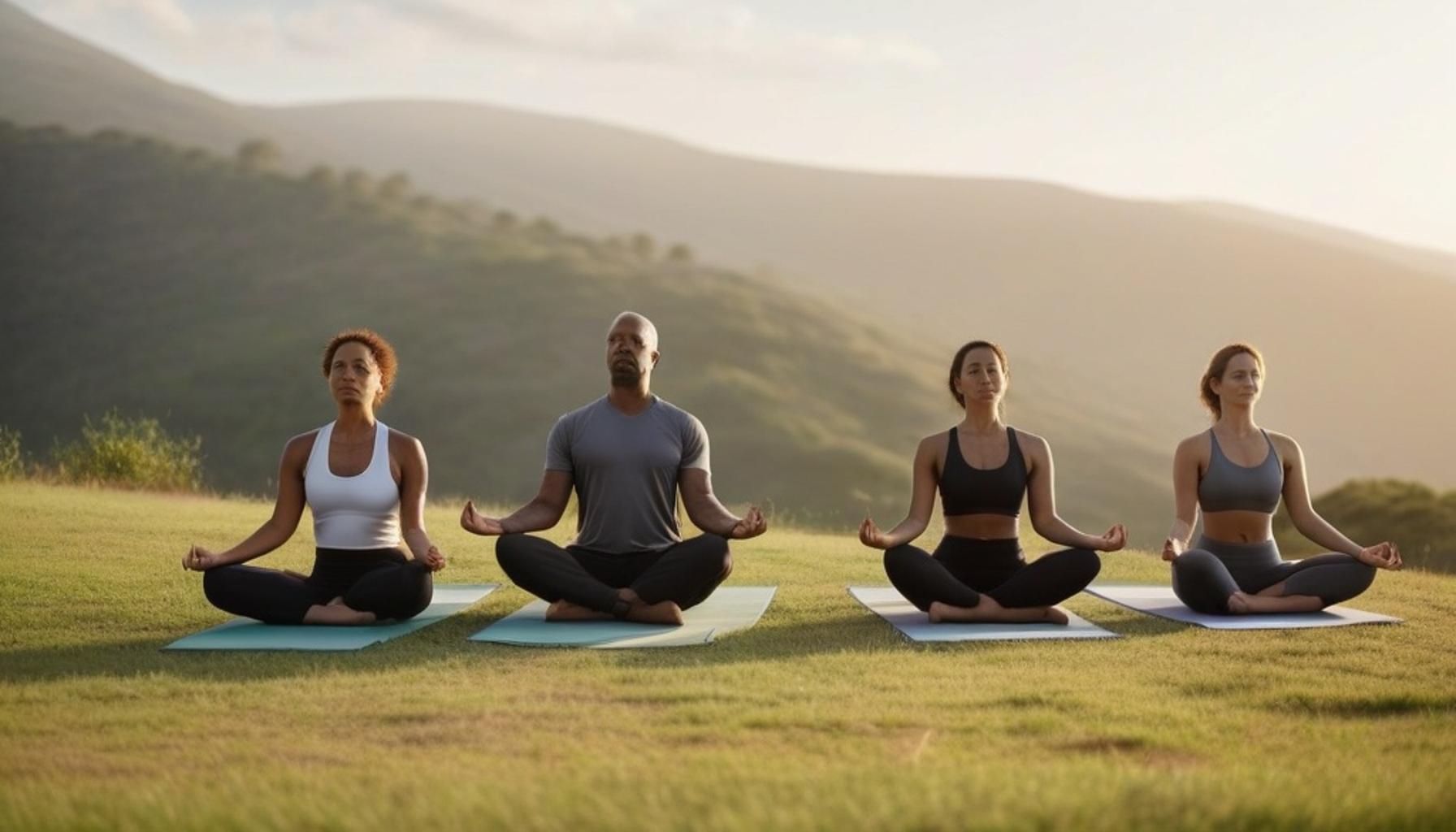
Why Stress Has Become America’s Silent Epidemic
Nearly 77% of Americans report experiencing physical symptoms caused by stress on a regular basis, according to recent surveys. From traffic jams in Los Angeles to packed schedules in New York City, daily pressures are piling up faster than most people can manage them. Headaches, muscle tension, fatigue, and sleepless nights have become so common that many simply accept them as part of modern life, rather than recognizing them as warning signs from an overworked nervous system.
What makes this epidemic particularly dangerous is its silence. Unlike a visible injury or diagnosed illness, chronic stress often goes unnoticed until it manifests as something more serious—high blood pressure, anxiety disorders, or even heart disease. Employers across the country are taking note, with companies like Google and Salesforce investing millions into wellness programs, yet individual Americans still struggle to find affordable, accessible solutions they can use every single day.
This is where Mindfulness Techniques for Stress come into play. Rooted in ancient practices but backed by modern neuroscience, these tools offer a practical way to reduce daily stress without expensive treatments or major lifestyle overhauls. Researchers at institutions like Harvard Medical School have documented measurable changes in brain structure among regular practitioners, particularly in areas responsible for emotional regulation and decision-making.
What You’ll Discover in This Guide
Mindfulness isn’t just about sitting cross-legged in silence. It’s a flexible set of stress management techniques that fit into even the busiest American lifestyle, whether you’re squeezing in a session between meetings or practicing during a subway commute in Chicago.
- Simple mindfulness exercises you can do in under five minutes
- Science-backed stress relief tips used by therapists nationwide
- Practical mindfulness practices for the workplace, home, and commute
- Real data on how mindfulness impacts cortisol levels and mental clarity
Whether you’re dealing with work deadlines, family responsibilities, or the constant buzz of notifications, these techniques are designed to meet you where you are. No prior experience required, and no special equipment needed—just a willingness to pause for a few intentional moments throughout your day.
Ready to explore how a few intentional minutes each day can transform your stress levels? Let’s break down exactly what works—and why the science behind it might surprise you.
LEARN MORE: How the practice of gratitude can transform your life perspective
# The Science Behind Mindfulness Techniques for StressBefore diving into specific exercises, it helps to understand what’s actually happening inside your body when stress takes hold. When you’re stuck in Atlanta rush-hour traffic or racing to meet a deadline in a Manhattan high-rise, your nervous system triggers a cascade of cortisol and adrenaline—the same “fight or flight” response your ancestors needed to escape predators.The problem? Modern stressors rarely require physical escape, yet your body reacts as if they do. This mismatch is precisely why Mindfulness Techniques for Stress have gained traction among neuroscientists and clinicians alike.
What Happens in Your Brain During Mindfulness Practice
A landmark study published by researchers at Massachusetts General Hospital found that just eight weeks of consistent mindfulness practice can physically shrink the amygdala—the brain’s fear and stress center. Simultaneously, gray matter density increases in the prefrontal cortex, the region responsible for rational thinking and emotional control.This isn’t abstract theory. It’s measurable, repeatable science that explains why so many mindfulness exercises focus on breath awareness and present-moment attention.Consider these findings from recent clinical research:
- Regular mindfulness practitioners show 23% lower cortisol levels compared to non-practitioners, according to a study in Health Psychology
- Participants in an eight-week Mindfulness-Based Stress Reduction (MBSR) program reported a 58% reduction in anxiety symptoms
- Just 10 minutes of daily practice improved sleep quality in 71% of participants within one month
- Workplace mindfulness programs at companies like Aetna reduced healthcare costs by an average of $2,000 per employee annually
Why This Matters for Your Daily Routine
These numbers aren’t just impressive statistics—they represent a fundamental shift in how Americans can approach stress management techniques without relying solely on medication or expensive therapy sessions.Unlike quick fixes that mask symptoms temporarily, mindfulness works by retraining your brain’s automatic response patterns. Over time, situations that once triggered immediate panic—an overflowing inbox, a toddler’s tantrum in the grocery store, or unexpected car trouble—become easier to navigate with clarity rather than chaos.The best part? You don’t need a meditation retreat in Sedona or a $200 wellness app subscription to start seeing results. The techniques explored in the next section require nothing more than a few intentional minutes and a genuine commitment to showing up for yourself, one breath at a time.
YOU MAY ALSO LIKE: The importance of daily meditation for mental health
# Five Practical Mindfulness Techniques You Can Start TodayUnderstanding the science is one thing. Putting it into practice during a hectic Tuesday afternoon is another challenge entirely.The good news? These mindfulness exercises don’t require sitting cross-legged on a cushion for an hour. They fit into the cracks of an already-packed American schedule.
1. The 4-7-8 Breathing Method
Developed by Dr. Andrew Weil, this technique activates your parasympathetic nervous system almost immediately. Inhale for four seconds, hold for seven, then exhale slowly for eight.Try it while waiting for your coffee order in Seattle or sitting in a parking lot before a big meeting. Three rounds typically reduce heart rate within ninety seconds.
2. Body Scan Meditation
This involves mentally scanning your body from head to toe, noticing tension without judgment. Research from UCLA’s Mindful Awareness Research Center shows this practice specifically targets somatic stress—the physical tightness in shoulders, jaws, and lower backs that builds up during long commutes or desk-bound workdays.Five minutes before bed can prevent the restless tossing that plagues so many stressed-out professionals.
3. The 5-4-3-2-1 Grounding Technique
When anxiety spikes—say, during a chaotic school pickup line or a tense family dinner—this sensory exercise pulls you back to the present:
- Identify five things you can see
- Notice four things you can touch
- Acknowledge three things you can hear
- Recognize two things you can smell
- Name one thing you can taste
This method is widely used in clinical settings across the U.S. for panic disorder and generalized anxiety, according to the Anxiety and Depression Association of America.
4. Mindful Walking
You don’t need a yoga studio in Boulder to practice movement-based mindfulness. Walking mindfully—paying attention to each footstep, the rhythm of your breath, the sensation of air on your skin—turns an ordinary errand into genuine stress relief.A 2021 study in Frontiers in Psychology found that mindful walking for just 12 minutes reduced perceived stress scores by 20% among office workers.
5. Single-Tasking Instead of Multitasking
Perhaps the most countercultural of all mindfulness practices, this simply means doing one thing at a time—fully.Eating lunch without scrolling your phone. Listening during a conversation without mentally drafting your next email. Stanford research suggests chronic multitasking actually impairs cognitive control, making stress harder to manage over time.Each of these stress management techniques targets a different trigger point, giving you options depending on where—and how intensely—stress shows up in your day.
SEE ALSO: The Importance of Daily Meditation for Mental Health
Bringing It All Together: Making Mindfulness Stick
Stress isn’t disappearing from American life anytime soon. Between inflation anxieties, packed calendars, and the constant ping of notifications, daily pressure has become the default setting for millions.
But as this guide has shown, Mindfulness Techniques for Stress offer something rare: a genuinely free, science-backed way to interrupt that cycle in real time.
The five approaches outlined above aren’t competing methods—they’re complementary tools. The 4-7-8 breathing method works when you need immediate relief in a parking lot. Body scans address the physical tension accumulating from months of desk work. Grounding techniques rescue you mid-panic. Mindful walking turns a mundane errand into recovery time. And single-tasking rewires how you approach an entire workday.
What makes these mindfulness exercises effective isn’t willpower or perfection. It’s repetition. Researchers at Harvard and UCLA consistently point to one theme: even brief, imperfect mindfulness practice compounds over weeks and months, gradually reshaping how the nervous system responds to pressure.
Start small. Pick one technique, not all five, and try it for a week before adding another. Stress relief tips only work when they become habits rather than one-off experiments.
Consider tracking your stress levels before and after each practice, similar to how sleep-tracking apps have changed how Americans understand rest. The data might surprise you.
Ultimately, reducing daily stress isn’t about eliminating life’s chaos—that’s not realistic for anyone juggling work, family, and everything in between. It’s about building a toolkit of mindfulness practices that let you meet that chaos with a steadier mind.
The science is there. The techniques are accessible. The only remaining variable is whether you start today or wait for tomorrow’s stress to arrive first.
Frequently Asked Questions
What are the most effective mindfulness techniques for stress that beginners can start with today?
Beginners often find the most success with simple practices like deep belly breathing, a five-minute body scan, or mindful walking during a break. These techniques require no equipment and can be done anywhere, making them easy to build into a daily routine. Starting small, even just 3-5 minutes a day, helps create a sustainable habit without feeling overwhelming.
How long does it take for mindfulness techniques to actually reduce stress levels?
Many people notice a calming effect within minutes of practicing a technique like focused breathing, but longer-term stress reduction typically builds over 2-4 weeks of consistent daily practice. Research on mindfulness-based stress reduction programs shows measurable changes in stress hormones and mood after about eight weeks of regular use. Consistency matters more than session length when it comes to lasting results.
Can I practice mindfulness techniques for stress at work without anyone noticing?
Yes, several discreet techniques work well in an office setting, such as mindful breathing at your desk, a quick body-scan while seated, or briefly focusing on your senses during a coffee break. These can be done with your eyes open and without any special posture, so coworkers won’t even realize you’re practicing. Even 60 seconds of intentional breathing between meetings can noticeably lower tension.
What’s the difference between mindfulness meditation and other stress-relief techniques like deep breathing or progressive muscle relaxation?
Mindfulness meditation focuses on nonjudgmental awareness of the present moment, including thoughts, sensations, and emotions, rather than trying to change or control them. Deep breathing and progressive muscle relaxation are more targeted physical techniques that directly calm the nervous system by slowing your breath or releasing muscle tension. Many people combine both approaches, using mindfulness to notice stress early and physical techniques to actively reduce it in the moment.

Linda Carter
Linda Carter is a writer specializing in healthy habits and balanced living. With extensive experience helping readers build sustainable routines, she shares practical guidance on nutrition, physical activity, quality sleep, stress management, and emotional well-being. Her goal is to offer simple, accessible strategies that inspire people to care for their health and enjoy a more balanced life.