
The influence of social media on human interactions and its relationship with emotional health
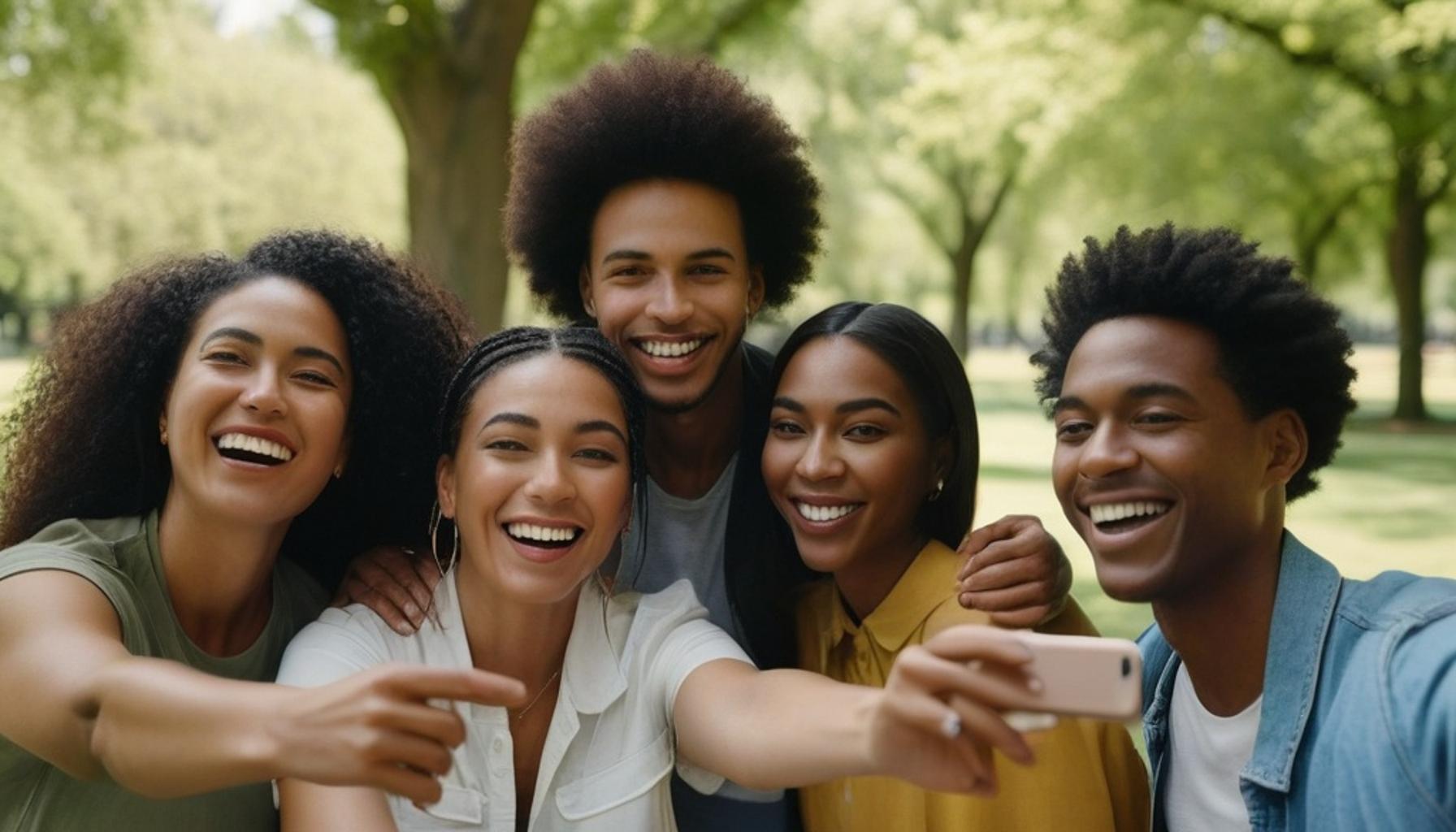
Scrolling Through Life: How Screens Are Reshaping the Way We Connect
Americans check their phones an average of 144 times a day, according to recent behavioral studies. That’s roughly once every ten minutes during waking hours. Behind every notification lies a deeper story about how we relate to one another, and researchers are only beginning to understand the full scope of this transformation.
The social media influence on human interactions has become one of the most talked-about shifts of the digital age. What started as a way to stay in touch with college roommates or long-distance relatives has evolved into a force reshaping friendships, romance, and even family dynamics at the dinner table.
A Double-Edged Digital Sword
Platforms like Instagram, TikTok, and Facebook promise connection, yet many users report feeling more isolated than ever. A Pew Research Center survey found that nearly a third of teens feel worse about their own lives after scrolling through others’ posts. This paradox sits at the heart of ongoing research into social media emotional health.
Consider the everyday realities millions of Americans face:
- Comparing personal milestones—like buying a home or getting engaged—to curated highlight reels
- Substituting face-to-face conversations with text-based exchanges, even among people who live in the same house
- Experiencing anxiety triggered by likes, comments, or lack thereof, sometimes within minutes of posting
- Struggling to disconnect due to constant notifications buzzing through work meetings, family dinners, and even church services
Each of these patterns plays a role in the broader impact of social media on relationships, subtly altering how trust, intimacy, and communication unfold. Some therapists report clients describing “phantom vibrations,” a phenomenon where users feel their phone buzz even when it hasn’t.
Why This Conversation Matters Now
Mental health professionals across the country are increasingly linking excessive screen time to mood fluctuations and social withdrawal. In cities from Seattle to Miami, counselors report a rising number of patients citing social media as a source of stress. The connection between mental health and social media use is no longer speculative—it’s backed by growing clinical evidence, including studies from Johns Hopkins and the American Psychological Association.
This article explores the social media effects on emotions, examining both the risks and unexpected benefits, such as support communities for chronic illness or long-distance caregiving networks. It also unpacks how digital communication and emotional well-being intersect in ways that many users never consciously notice, from dopamine-driven scrolling habits to the quiet erosion of small talk.
Understanding these dynamics isn’t just informative—it’s essential for navigating modern relationships in a hyperconnected world where the line between staying in touch and staying overwhelmed grows thinner every day.
RECOMMENDED: The importance of social interactions in promoting healthy habits and reducing stress
# The Vanishing Art of Face-to-Face Conversation
Walk into any coffee shop from Portland to Austin, and you’ll likely notice the same scene: groups of friends sitting together, physically present but mentally elsewhere, thumbs moving across glowing screens. This isn’t just anecdotal. Researchers studying the social media influence on human interactions have documented a measurable decline in sustained eye contact and spontaneous conversation among younger generations.
The Numbers Behind the Shift
A 2023 study published by the American Psychological Association found that adults under 35 spend nearly 2.5 hours daily on social platforms, often while physically surrounded by other people. This behavior, sometimes called “phubbing” (phone snubbing), has become so common that couples therapists now routinely address it in sessions. Some clinicians in cities like Chicago and Denver report that phubbing complaints have become one of the top five issues raised during initial counseling appointments, right alongside finances and communication styles.
The consequences ripple outward in ways that touch nearly every relationship type:
- Romantic partners reporting feelings of neglect when significant others prioritize screen time over shared moments
- Parents struggling to model healthy boundaries while working remotely through the same devices their children want attention from
- Friend groups experiencing communication breakdowns as group chats replace phone calls and in-person meetups
- Extended family members feeling disconnected despite being “friends” or “followers” on every major platform
This growing distance between digital presence and emotional presence lies at the core of concerns about social media emotional health. It’s not that people are talking less overall—they’re often talking more, just differently, and not always in ways that satisfy deeper human needs for connection. Text exchanges lack tone, facial expression, and the subtle timing cues that once told us when someone was listening, joking, or hurting.
Redefining Closeness in the Digital Era
Dr. Jean Twenge, a psychologist who has extensively studied generational behavior shifts, points to a troubling pattern: teens today spend significantly less time with friends in person compared to those in the early 2000s, even as their online interactions have multiplied. Her research suggests this trade-off carries real consequences for the impact of social media on relationships, particularly among adolescents still developing social skills. Twenge’s data indicates that unsupervised hangouts—driving around, grabbing fast food, simply loitering at a mall—have dropped sharply since smartphones became ubiquitous around 2012.
Small towns aren’t immune either. In rural communities across the Midwest, where face-to-face interaction was once the social glue holding neighborhoods together, local Facebook groups have quietly replaced front-porch conversations and community bulletin boards. Farmers who once discussed crop prices over coffee at the diner now scroll through comment threads instead, and high school reunions get planned entirely through event pages rather than phone trees.
What makes this shift particularly complex is that social media didn’t eliminate connection—it transformed its texture. Comments replaced conversations. Reactions replaced reactions. And for many Americans, the question of whether this trade constitutes progress or loss remains unresolved, fueling ongoing debate among sociologists, parents, and mental health advocates alike. As more longitudinal studies emerge, the picture grows increasingly nuanced, suggesting that the answer may depend heavily on age, context, and how intentionally people choose to put their phones down.

Key Aspects of Social Media Influence on Human Interactions and Emotional Health
Understanding the social media influence on human interactions requires examining specific behavioral patterns and emotional outcomes. The table below breaks down critical dimensions of this phenomenon, from communication shifts to emotional consequences, offering a quick reference before diving deeper into the data.
| Category | Key Impact |
|---|---|
| Communication Patterns | Digital communication and emotional well-being are reshaped as face-to-face interactions decline by up to 30% among heavy users. |
| Relationship Quality | The impact of social media on relationships includes both stronger long-distance bonds and increased jealousy or comparison. |
| Emotional Responses | Social media effects on emotions often trigger anxiety, validation-seeking, and mood fluctuations tied to engagement metrics. |
| Mental Wellness | Mental health and social media studies link excessive scrolling to disrupted sleep and heightened stress levels. |
These categories reveal how deeply intertwined social media emotional health outcomes are with daily digital habits, setting the stage for exploring practical strategies to restore balance.
SEE ALSO: Strategies to Cultivate Meaningful Connections that Promote Well-being and Happiness
# The Emotional Toll: What Screens Are Doing to Our Inner Lives
Beyond the visible shifts in how Americans socialize, a quieter transformation is unfolding within the human mind. The connection between social media emotional health and daily platform use has become one of the most studied—and most contested—topics in modern psychology. Researchers at institutions like Johns Hopkins and UCLA have spent the past decade trying to untangle cause from correlation, and their findings paint a complicated picture that resists easy conclusions or tidy headlines.
The Comparison Trap
Social comparison theory isn’t new, but social media has supercharged it. A curated Instagram feed showing vacation photos, home renovations, and seemingly perfect relationships creates what researchers call an “upward comparison spiral.” Unlike comparing yourself to a neighbor or coworker, platforms expose users to thousands of highlight reels daily, most from people they’ll never actually meet, yet whose lives somehow still feel relevant to measure against.
This phenomenon directly affects social media effects on emotions, particularly among young women. A widely cited internal Facebook research report, leaked in 2021, revealed that Instagram made body image issues worse for one in three teen girls surveyed. The company’s own data suggested that teens who struggled with anxiety often attributed their symptoms directly to the platform, a finding that sparked congressional hearings and renewed calls for stricter regulation of algorithm-driven content aimed at minors.
Consider these patterns showing up in clinical settings across the country:
- Increased reports of “compare and despair” cycles among users aged 16 to 24, particularly around body image and career milestones
- Rising anxiety tied to metrics—likes, follower counts, and comment numbers—functioning as a form of social currency
- Sleep disruption linked to late-night scrolling, which therapists in states like California and New York frequently connect to mood disorders
- A growing sense of inadequacy among parents comparing their family life to idealized “momfluencer” content
Clinicians in cities such as Austin and Chicago report a noticeable uptick in patients describing themselves as “exhausted but unable to stop” scrolling, a paradox that mental health professionals say reflects the addictive design baked into most major platforms rather than any personal failing.
Not All Screen Time Is Created Equal
Interestingly, the relationship between mental health and social media isn’t uniformly negative. Researchers at the University of Pennsylvania found that passive scrolling—simply consuming content without engaging—correlated with higher rates of loneliness and depressive symptoms. Active engagement, however, such as messaging friends directly or commenting meaningfully, showed far less negative impact and sometimes even improved mood, suggesting that intention plays a larger role than screen time totals alone.
This distinction matters enormously for understanding digital communication and emotional well-being. The platform itself may matter less than how someone chooses to use it. A person who spends twenty minutes video-calling a college friend in another state is having a fundamentally different psychological experience than someone spending the same twenty minutes scrolling through strangers’ curated lives, even though both would technically register as identical “screen time” on a phone’s weekly report.
Some behavioral health clinics in states like Massachusetts have started incorporating “social media audits” into treatment plans, asking patients to track not just how long they scroll, but what emotions surface during and after each session. Early results suggest that awareness alone—simply noticing the pattern—can reduce compulsive checking behaviors by a measurable margin, offering a practical starting point for anyone concerned about their own digital habits. Therapists note that patients who complete these audits often express surprise at how frequently negative emotions follow specific apps rather than screen use in general, pointing toward more targeted, less all-or-nothing approaches to digital wellness moving forward.
# Rethinking Our Relationship With the ScrollAcross every metric examined in this piece, one truth emerges clearly: the social media influence on human interactions is neither purely destructive nor entirely benign. It’s a mirror that amplifies whatever intention a person brings to it, whether that’s genuine connection or compulsive comparison.The impact of social media on relationships depends heavily on context. A grandmother in Ohio video-calling her grandkids in Seattle experiences something entirely different than a teenager anxiously refreshing a post for likes, even though both actions happen on the same device, sometimes within the same hour.What the research consistently shows is that passive consumption breeds isolation, while active, intentional engagement tends to strengthen bonds rather than erode them. This single distinction may matter more than any debate about total screen time.For readers concerned about their own habits, a few practical takeaways stand out:
- Track emotional responses after specific apps, not just total hours spent online
- Prioritize direct messaging and video calls over passive feed-scrolling
- Notice when comparison—rather than connection—is driving platform use
- Consider periodic “audits” similar to those used in Massachusetts clinics to build awareness
Ultimately, the conversation around mental health and social media shouldn’t be reduced to a simple verdict of good or bad. These platforms are tools, and like any tool, their effects depend on how deliberately they’re wielded.As algorithms grow more sophisticated and attention-capturing techniques become harder to resist, the responsibility increasingly falls on both users and platforms to prioritize genuine connection over empty engagement metrics. The future of digital communication and emotional well-being may hinge less on regulation or abstinence, and more on cultivating a more mindful, intentional relationship with the screens already woven into daily American life.
Frequently Asked Questions
How does social media influence on human interactions affect face-to-face communication skills?
Heavy reliance on texting, emojis, and quick comments can reduce practice with reading tone, body language, and facial expressions in person. Over time, this may make face-to-face conversations feel more awkward or anxiety-inducing, especially for younger users who grew up primarily communicating online. Balancing digital chats with regular in-person interactions helps maintain and strengthen these social skills.
Can excessive social media use lead to feelings of loneliness despite having many online friends?
Yes, studies show that quantity of online connections doesn’t equal quality of emotional support, so users can feel isolated even with hundreds of followers or friends. Passive scrolling, in particular, is linked to higher loneliness because it replaces genuine interaction with one-sided observation of others’ lives. Prioritizing meaningful, two-way conversations over passive consumption tends to lessen this disconnect.
What is ‘social comparison’ on social media and how does it impact emotional health?
Social comparison happens when users measure their own lives, appearance, or achievements against curated, often idealized posts from others. This constant comparison is strongly linked to increased anxiety, lower self-esteem, and symptoms of depression, particularly among teens and young adults. Being mindful of the edited nature of most content and limiting comparison-triggering apps can help protect emotional well-being.
Are there ways to use social media that support rather than harm emotional health and relationships?
Yes, using social media intentionally—such as scheduling video calls, joining supportive communities, or messaging loved ones directly—can strengthen real relationships and provide emotional support. Setting time limits, muting accounts that trigger negative comparison, and prioritizing active engagement over passive scrolling are practical strategies. Combining these habits with regular offline social contact creates a healthier overall balance.

Linda Carter
Linda Carter is a writer specializing in healthy habits and balanced living. With extensive experience helping readers build sustainable routines, she shares practical guidance on nutrition, physical activity, quality sleep, stress management, and emotional well-being. Her goal is to offer simple, accessible strategies that inspire people to care for their health and enjoy a more balanced life.