Impact of Technology on Sleep Patterns: Tips for a Night of Rest Without Distractions
When Screens Steal Your Sleep
It’s 11 p.m., and instead of drifting off, you’re scrolling through your phone one more time. Sound familiar? You’re not alone, this is a nightly ritual for millions of Americans.
The Impact of Technology on Sleep has become one of the most pressing health concerns of our digital age. Recent studies suggest that nearly 70% of U.S. adults use electronic devices within an hour of bedtime.
Understanding technology and sleep patterns matters more than ever. Blue light exposure, constant notifications, and endless scrolling don’t just delay bedtime, they disrupt your body’s natural rhythm.
What’s Really Happening to Your Sleep?
- Smartphones suppress melatonin production, the hormone that signals your body it’s time to rest
- Social media triggers dopamine responses that keep your brain alert when it should be winding down
- Streaming services and late-night binge-watching push bedtimes later, cutting into essential sleep hours
The good news? There are practical tips for better sleep that don’t require abandoning your devices entirely. Small, strategic changes can make a significant difference in how quickly you fall asleep and how well you rest.
The Hidden Cost of Late-Night Scrolling
Consider this: the average American checks their phone 96 times a day, according to recent consumer behavior research. That’s roughly once every ten minutes during waking hours, and the habit doesn’t magically stop when the lights go out. Instead, it often intensifies. Many people report their most active scrolling sessions happen right before bed, when the mind should be transitioning into rest mode.
This behavior has real consequences. The National Sleep Foundation has linked pre-bed device use to shorter sleep duration, increased sleep latency (the time it takes to fall asleep), and more frequent nighttime awakenings. For shift workers, parents juggling late-night feedings, and students cramming for exams, the temptation to check “just one more notification” can snowball into a full-blown sleep deficit.
Workplace productivity, mood regulation, and even long-term cardiovascular health have all been tied to chronic sleep disruption. In cities like New York, Los Angeles, and Chicago, where fast-paced lifestyles already limit rest, the added strain of screen-driven insomnia compounds an existing public health challenge.
Why This Conversation Matters Now
This article explores the distractions affecting sleep in modern households and breaks down the importance of sleep hygiene in a tech-driven world. From bedroom charging stations to blue-light filters, small environmental tweaks can shift the entire trajectory of your night.
You’ll also discover actionable sleep tips without technology that can transform your nightly routine, starting tonight. Whether it’s swapping your phone for a physical book or setting a hard curfew on screen time, the path to better rest may be closer than you think.
CHECK OUT: The Relationship between Physical Exercise and Sleep Quality
The Science Behind Screens and Sleepless Nights
Understanding the Impact of Technology on Sleep requires a closer look at what’s happening inside your body every time you glance at a glowing screen. It’s not just habit, it’s biology working against you.
How Blue Light Rewires Your Internal Clock
Your body operates on a circadian rhythm, an internal 24-hour clock that relies heavily on light exposure to determine when it’s time to sleep and when it’s time to wake up. Blue light, emitted heavily by smartphones, tablets, and laptops, mimics daylight.
This confuses your brain into thinking it’s still afternoon, even at midnight. Researchers at Harvard Medical School have found that blue light exposure can suppress melatonin production for up to two to three hours longer than dimmer, warmer light sources.
For anyone tracking technology and sleep patterns, this delay matters. It doesn’t just push bedtime later, it shifts your entire sleep cycle, leaving you groggy even after seven or eight hours in bed.
Consider a typical American household: someone scrolls through their phone in bed around 11 p.m., thinking they’ll only be on for a few minutes. An hour later, they’re still awake, wondering why they can’t fall asleep despite feeling exhausted. This scenario plays out nightly across the country, and it’s not a coincidence. The Sleep Foundation reports that nearly 90 percent of Americans use some type of electronic device within an hour of bedtime, directly interfering with the natural release of sleep-inducing hormones.
What makes this even more concerning is the cumulative effect. A single late night of screen exposure might cause temporary grogginess, but consistent nightly use can lead to chronic circadian misalignment, a condition increasingly linked to mood disorders, weight gain, and even cardiovascular issues.
Notifications: The Silent Sleep Thief
Beyond blue light, there’s another culprit quietly sabotaging your rest: notifications. Every buzz, ping, or vibration triggers a micro-alertness response, even if you don’t consciously check your phone.
This constant low-level stimulation prevents your nervous system from fully relaxing. Over time, it contributes to fragmented, lower-quality sleep, one of the most overlooked distractions affecting sleep in American households today.
Common nighttime disruptors include:
- Text messages and social media alerts arriving after 10 p.m.
- Auto-playing video content on streaming platforms
- Work emails accessed from bed, blurring the line between rest and responsibility
- Smart home devices with LED lights or sudden audio alerts
Interestingly, many people underestimate how much these interruptions affect them because they don’t fully wake up. Instead, the brain shifts into a lighter stage of sleep, disrupting the deep, restorative cycles the body needs most. This is particularly relevant for shift workers and parents who already struggle with inconsistent sleep schedules, adding another layer of difficulty to an already fragile routine.
Why Your Brain Struggles to Power Down
There’s also a psychological layer to this problem. Scrolling through curated content, whether it’s news, social media, or entertainment, activates the brain’s reward system.
This makes it harder to disengage, even when you’re exhausted. Many sleep specialists now emphasize the importance of sleep hygiene as a foundational, non-negotiable part of overall health, not a wellness luxury.
Adding to the challenge, streaming platforms and social media apps are specifically designed to keep users engaged longer, using algorithms that predict what will capture attention next. This design, while great for entertainment companies, actively works against the body’s natural wind-down process.
Simple tips for better sleep often start with recognizing these patterns before attempting to change them. The next section breaks down practical, research-backed strategies to reclaim your nights.
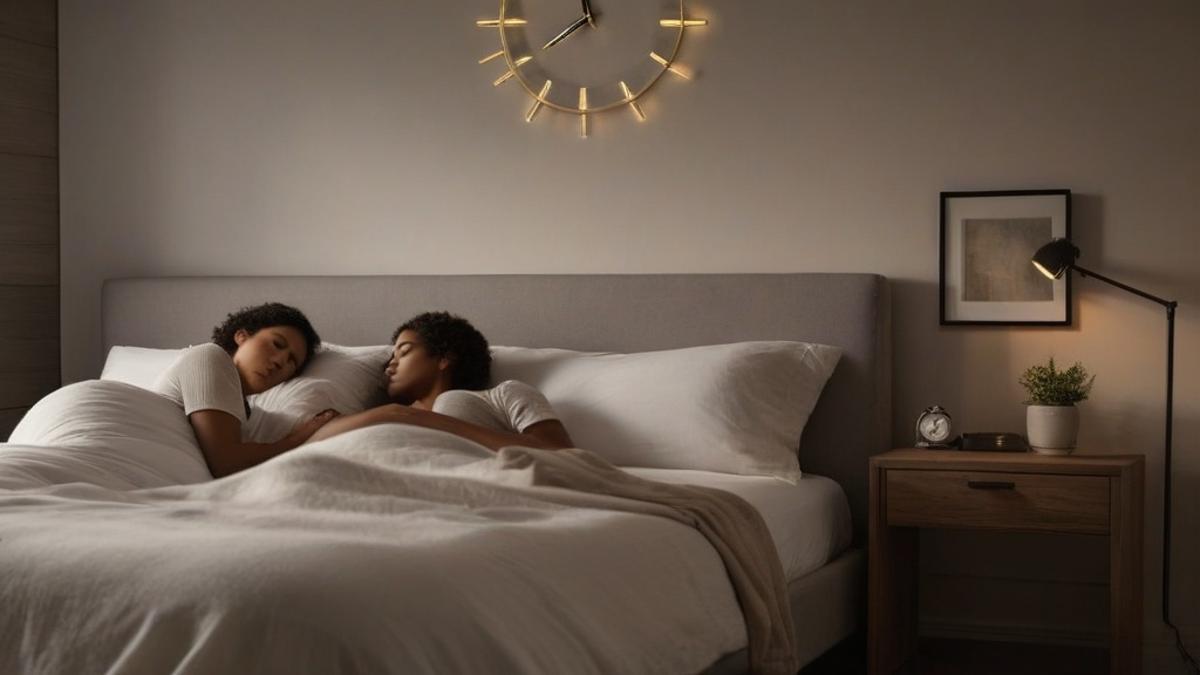
Impact of Technology on Sleep: Key Disruptors and Practical Fixes
Understanding the Impact of Technology on Sleep starts with identifying which habits quietly sabotage rest. Below is a quick reference table highlighting common technology and sleep patterns issues alongside tips for better sleep that counter distractions affecting sleep every night.
| Technology Factor | Effect & Recommended Tip |
|---|---|
| Blue Light Exposure | Suppresses melatonin; use night mode or blue-light filters after 9 PM. |
| Notifications | Trigger stress hormones; enable Do Not Disturb for sleep hygiene. |
| Screen Time Before Bed | Delays sleep onset by 30+ minutes; try sleep tips without technology like reading. |
| Social Media Scrolling | Increases mental alertness; set a digital curfew one hour prior to bedtime. |
YOU MAY ALSO LIKE: The Importance of Sleep Cycles in Mental Health
Reclaiming Your Nights: Practical Strategies That Actually Work
Once you understand how deeply technology interferes with rest, the next logical step is action. The good news? Reversing the Impact of Technology on Sleep doesn’t require abandoning your devices entirely, just retraining how and when you use them.
Building a Digital Sunset Routine
Sleep specialists across the country recommend what’s often called a “digital sunset,” a designated window, ideally 60 to 90 minutes before bed, when screens are set aside entirely. This isn’t about willpower alone; it’s about creating structure your brain can rely on.
Think of it like the dimming of Broadway lights before a show starts. Your body needs that same gradual cue to prepare for rest. Without it, you’re essentially asking your nervous system to slam the brakes from sixty miles an hour to zero in seconds.
Practical sleep tips without technology that fit easily into American routines include:
- Reading a physical book or magazine instead of scrolling an e-reader with backlighting
- Listening to a low-volume podcast or calming playlist through a speaker, not headphones connected to a phone screen
- Journaling for five to ten minutes to offload racing thoughts
- Preparing coffee or lunch for the next morning, a small task that signals the day is winding down
- Stretching lightly or practicing a few minutes of deep breathing to shift the body out of alert mode
- Dimming household lights an hour before bed to mimic a natural sunset indoors
These small rituals add up. Occupational therapists often point out that the brain thrives on repetition and predictability, meaning the same three or four calming activities performed nightly can become as effective as any sleep aid sold over the counter.
Rethinking Your Bedroom Setup
Where you charge your phone matters more than most people realize. Charging devices in the kitchen or living room, rather than on a nightstand, removes the temptation of a 2 a.m. scroll session entirely.
The National Sleep Foundation notes that individuals who keep phones outside the bedroom report falling asleep faster and waking up fewer times overnight. It’s a simple architectural shift with outsized results.
For those unwilling to give up devices completely, night mode settings and blue light filters offer a middle ground. While not as effective as full disconnection, research from the University of Houston College of Optometry suggests these filters can reduce melatonin suppression by a measurable margin when paired with dimmed brightness.
Some households in cities like Austin and Denver have even started experimenting with old-fashioned alarm clocks again, ditching phone alarms altogether to eliminate the last excuse for keeping a screen within arm’s reach overnight.
Reframing the Conversation Around Sleep Hygiene
The importance of sleep hygiene extends beyond just turning off devices. Consistent wake times, even on weekends, reinforce circadian stability far more effectively than occasional early bedtimes.
Temperature also plays a bigger role than most assume. Bedrooms cooled to between 60 and 67 degrees Fahrenheit consistently support deeper sleep cycles, according to sleep researchers nationwide.
Diet and caffeine timing deserve attention too. Nutritionists frequently note that caffeine consumed after 2 p.m. can linger in the bloodstream for hours, quietly undermining even the most disciplined digital sunset routine.
Ultimately, addressing distractions affecting sleep means treating nighttime routines with the same intentionality as morning ones. Small, consistent adjustments, not drastic overnight overhauls, tend to produce the most lasting change for anyone serious about reclaiming quality rest.
RECOMMENDED: How Diet Affects Sleep Patterns
The Bottom Line on Technology and Sleep Patterns
The relationship between screens and rest isn’t going away anytime soon. If anything, as smart devices become more embedded in daily American life, the Impact of Technology on Sleep will only grow more relevant with each passing year.
What’s become clear throughout this discussion is that awareness alone won’t fix the problem. Understanding how blue light suppresses melatonin or how notifications trigger cortisol spikes matters, but pairing that knowledge with actual behavioral shifts is where real change happens.
The strategies outlined, digital sunsets, phone-free bedrooms, and consistent wind-down rituals, aren’t complicated. They don’t require expensive gadgets or drastic lifestyle overhauls. They simply ask for intention.
Consider this: Americans reportedly check their phones over 140 times a day, according to various tech-usage studies. Multiply that habit across an entire evening, and it’s easy to see why so many people struggle with technology and sleep patterns without ever identifying the root cause.
Adopting practical tips for better sleep means recognizing that rest isn’t passive, it’s something actively protected through routine, environment, and timing. The bedroom, ideally, should function as a sanctuary rather than an extension of the office or social media feed.
Moving forward, readers curious about optimizing their own routines might explore sleep-tracking apps that operate offline, weighted blankets, or even consult a sleep specialist if disruptions persist despite lifestyle changes. There’s still much to learn about how individual differences, age, occupation, even geographic location, affect sensitivity to nighttime light exposure.
For now, the takeaway remains simple. Small, consistent adjustments to nightly habits carry more weight than any single dramatic change. Whether it’s charging a phone in another room or dimming the lights an hour earlier, these choices add up to something larger: a genuine return to restorative, uninterrupted sleep in an increasingly connected world.
Frequently Asked Questions
How does blue light from phones and laptops affect sleep quality?
Blue light suppresses melatonin production, the hormone that signals your body it’s time to sleep. Exposure to screens in the evening can delay sleep onset and reduce overall sleep quality by tricking your brain into thinking it’s still daytime. Using blue light filters or night mode settings can help minimize this effect.
How long before bed should I stop using my phone to sleep better?
Most sleep experts recommend powering down screens at least 30 to 60 minutes before bedtime. This window gives your brain time to naturally increase melatonin levels without light interference. Replacing screen time with reading a physical book or light stretching can make the transition easier.
Can wearing blue light glasses really improve my sleep at night?
Blue light glasses can reduce the amount of sleep-disrupting light reaching your eyes, which may help preserve melatonin production if you must use devices at night. However, they work best as a supplement to other habits, not a replacement for reducing screen time altogether. Combining them with dimmed lighting yields the best results.
Why do I wake up feeling tired even after eight hours of sleep with tech use before bed?
Technology use before bed often disrupts deep sleep cycles even if total sleep duration seems adequate, because notifications, light exposure, and mental stimulation prevent your brain from fully relaxing. This leads to lighter, more fragmented sleep that feels less restorative. Tracking your sleep stages with a wearable device can help identify these disruptions.
What is the best way to keep notifications from disturbing sleep without turning off my phone completely?
Enabling ‘Do Not Disturb’ or scheduled sleep modes on your phone silences alerts while still allowing emergency calls through. You can also place your phone in another room or on airplane mode to eliminate the temptation of checking it during the night. Many devices now offer customizable wind-down features that dim screens and mute apps automatically.
Are there any apps or technology tools that actually help improve sleep instead of harming it?
Yes, sleep tracking apps, white noise generators, and guided meditation tools can support healthier sleep habits when used correctly. Look for apps with sleep sounds, breathing exercises, or smart alarms that wake you during lighter sleep phases. The key is using these tools in low-light mode and avoiding scrolling through unrelated content afterward.

Linda Carter
Linda Carter is a writer specializing in healthy habits and balanced living. With extensive experience helping readers build sustainable routines, she shares practical guidance on nutrition, physical activity, quality sleep, stress management, and emotional well-being. Her goal is to offer simple, accessible strategies that inspire people to care for their health and enjoy a more balanced life.